
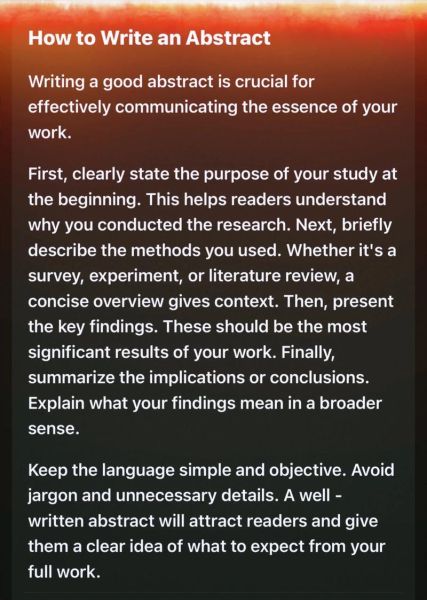
一篇优秀的英语小作文到底该怎么写?从审题到落笔,每一步都暗藏得分点。下面用自问自答的方式,拆解一篇高分范文的诞生全过程。
(图片来源网络,侵删)
1. 题目到底在问什么?
拿到题目先别急着写,先问自己三个问题:
- 体裁:是议论文、记叙文还是应用文?
- 时态:事件发生在过去、现在还是将来?
- 人称:用第一人称还是第三人称?
例如题目:Describe a time when you helped someone.
答案:体裁是记叙文,时态以一般过去时为主,人称用第一人称。
2. 如何快速列出提纲?
用“5W1H”法:
- Who:我帮助了谁?
- What:具体做了什么?
- When:发生在什么时候?
- Where:地点在哪里?
- Why:为什么需要我帮助?
- How:我是如何一步步完成的?
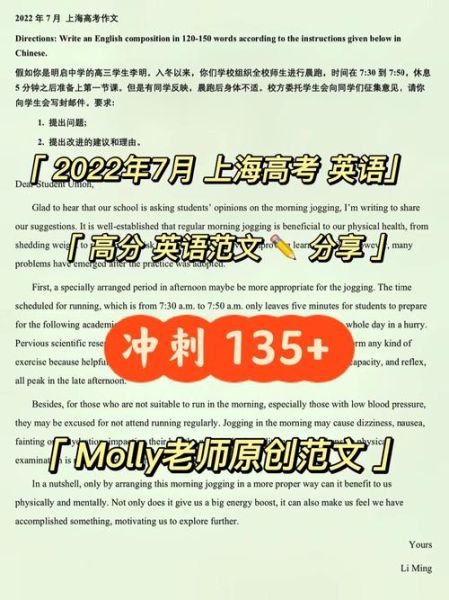
示例提纲:
(图片来源网络,侵删)
Who: 新转校生Lily
What: 帮她准备英语演讲
When: 上个月周五下午
Where: 学校图书馆
Why: 她紧张到说不出完整句子
How: 先陪练发音→再模拟观众→最后彩排
3. 开头怎样立刻抓住阅卷人?
三种万能开场:
- 场景描写:The moment Lily stepped onto the stage, her hands trembled like autumn leaves.
- 对话切入:“I can’t breathe,” Lily whispered, clutching my sleeve.
- 悬念设置:If I had arrived five minutes later, Lily’s dream might have ended that afternoon.
避免空洞的“I want to tell a story…”直接把人带进画面。
4. 中间段落如何层层递进?
采用“问题—行动—结果”结构:
问题
Lily的发音带着浓重的乡音,连“introduction”都读成了“intradaction”。
行动
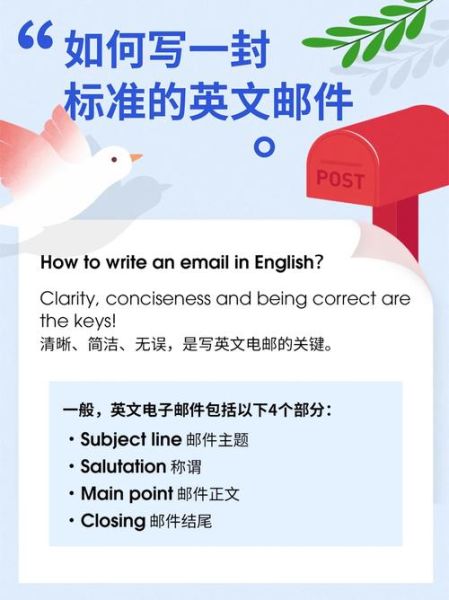
我先用手机录下她的演讲,再逐句对比原音;接着把难词拆成音节,让她对着镜子练口型;最后邀请三位同学充当观众,模拟真实场景。
(图片来源网络,侵删)
结果
演讲当天,Lily的声音像解冻的小溪,流畅而自信,台下掌声持续了半分钟。
每段结尾加一句情感升华:
“那一刻,我意识到帮助不是施舍,而是共同抵达。”
5. 高级词汇和句式怎么自然嵌入?
避免生搬硬套,用“场景触发”法:
- 紧张:Her throat tightened like a knotted rope.
- 松口气:A wave of relief washed over me when the last word left her lips.
- 倒装句:Only then did I realize the power of patience.
替换低级表达:
| 普通 | 升级 |
|---|---|
| very tired | exhausted |
| happy | over the moon |
| help | lend a hand |
6. 结尾如何余味悠长?
三种方式:
- 首尾呼应:回到开头的场景,但加入变化。
- 金句点题:Kindness is the only language that the deaf can hear and the blind can see.
- 开放提问:If you were Lily, would you pass the courage on to the next trembling soul?
示例结尾:
As Lily waved from the winner’s podium, I caught sight of her note card: “To June, who taught me that voices grow stronger when shared.”
7. 常见扣分陷阱
- 时态混乱:过去时里突然冒出现在时。
- 中式英语:I very like helping people → I enjoy helping people immensely.
- 字数不足:用细节填充,而非空洞形容词。
自查清单:
□ 开头是否吸引人?
□ 每段是否围绕一个中心?
□ 高级表达是否贴合语境?
□ 结尾是否升华主题?
8. 实战演练:把提纲扩写成120词段落
原文提纲:Lily紧张→我陪练→成功演讲
扩写示范:
The clock struck three, yet Lily’s voice still cracked on the word “opportunity.” Instead of correcting her immediately, I asked her to close her eyes and picture the word as a golden key. We broke it into four syllables, tapping the table like a metronome. By sunset, the key finally turned; her tongue curled perfectly around the final “ty.” When applause erupted the next day, I knew we had unlocked more than pronunciation—we had opened a door she would walk through for the rest of her life.
把以上步骤串联起来,一篇有血有肉的英语小作文就完成了。下次动笔前,先问自己:我是否把读者带进了现场?
版权声明:除非特别标注,否则均为本站原创文章,转载时请以链接形式注明文章出处。


还木有评论哦,快来抢沙发吧~